

Managing a student with type 1 diabetes requires awareness, coordination, and empathy from educators, parents, and peers. This chronic condition, which affects insulin production, can impact a student’s energy, focus, and overall well being during the school day. Without proper management, fluctuations in blood sugar levels can lead to both immediate health emergencies and long-term complications.
Understanding the causes, risks, and practical management strategies helps ensure that a student with type 1 diabetes can thrive academically, socially, and emotionally in any educational environment.
What is Type 1 Diabetes
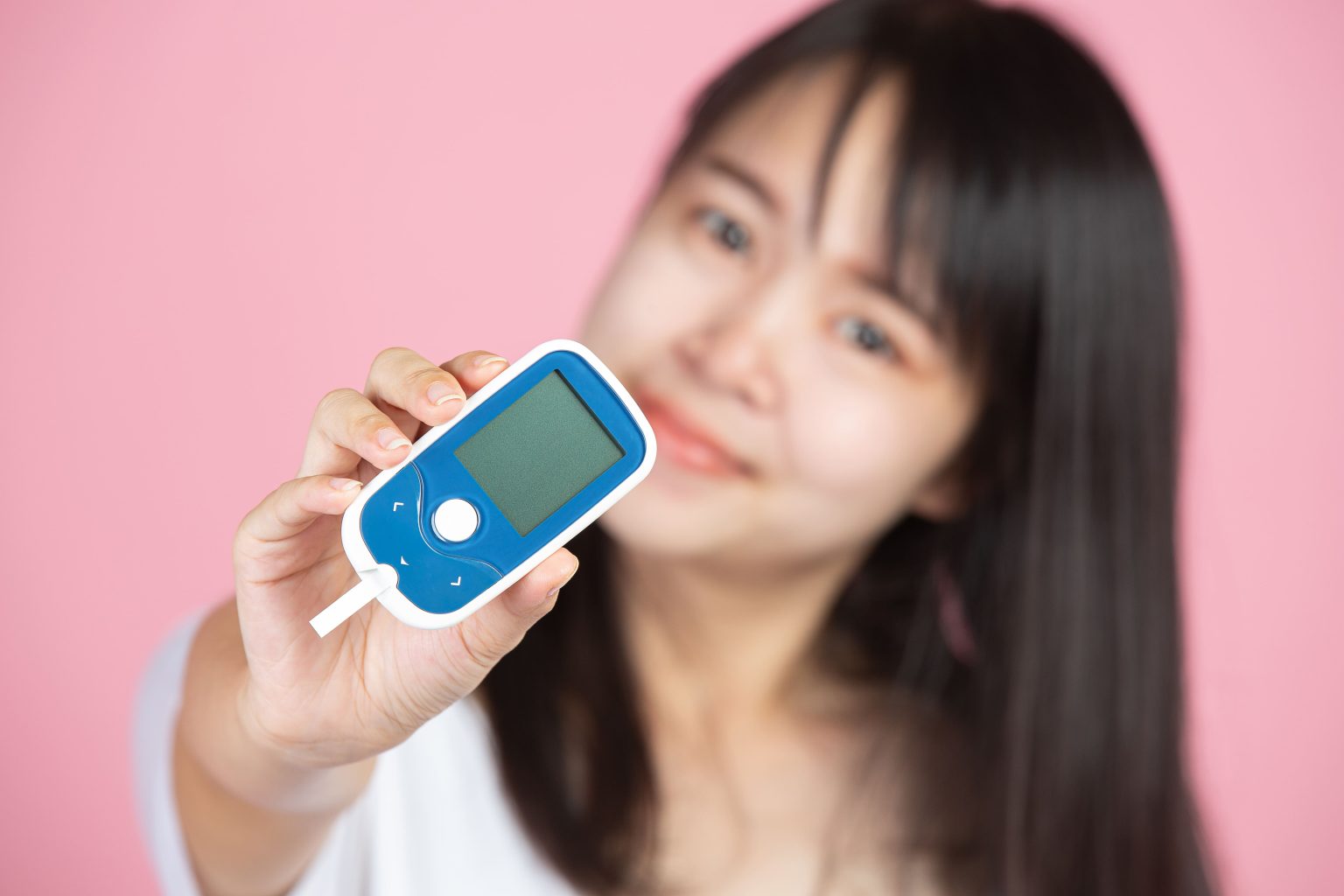
Type 1 diabetes (T1D) is an autoimmune condition in which the body’s immune system mistakenly destroys the insulin producing cells in the pancreas (beta cells). As a result, the body cannot produce enough insulin a hormone that regulates blood sugar (glucose).
Without insulin, glucose builds up in the bloodstream instead of being used for energy. This leads to symptoms such as fatigue, frequent urination, excessive thirst, and weight loss.
A student with type 1 diabetes must rely on insulin therapy, either through daily injections or an insulin pump, to maintain healthy blood sugar levels. Monitoring and balancing food intake, physical activity, and medication become essential daily tasks.
What Type 1 Diabetes Is a Concern in Schools

A student with Type 1 diabetes faces unique challenges in academic settings because blood sugar levels can fluctuate throughout the day. Activities like physical education, exams, stress, or skipped meals can cause hypoglycemia (low blood sugar) or hyperglycemia (high blood sugar).
Teachers and school staff must be prepared to recognize symptoms, provide support, and respond quickly to emergencies. Proper awareness ensures the student’s safety and helps them participate in all aspects of school life without unnecessary restrictions.
Moreover, managing diabetes in a school setting requires collaboration between parents, healthcare professionals, and educators to create a personalized Diabetes Care Plan (DCP).
Common Challenges for Students with Type 1 Diabetes

The day to day experience of a student with type 1 diabetes involves constant monitoring and adjustment. These are some common challenges they face:
1. Unpredictable Blood Sugar Levels
Fluctuations can occur due to irregular meal times, emotional stress, or physical activity. A student may suddenly experience fatigue, irritability, or dizziness during class.
2. Social and Emotional Strain
Managing a chronic illness in front of peers can make students feel self conscious or isolated. The need for regular glucose checks or insulin doses can lead to anxiety or embarrassment.
3. Concentration Difficulties
When blood sugar drops too low (hypoglycemia) or becomes too high (hyperglycemia), cognitive function is affected, reducing attention and academic performance.
4. Dietary Restrictions
Maintaining a consistent diet can be difficult during lunch breaks or school events where food options are limited.
5. Managing Emergencies
A sudden drop in blood sugar may require immediate intake of fast acting carbohydrates or, in severe cases, an emergency glucagon injection.
Understanding these daily challenges allows teachers and classmates to offer meaningful support to a student with type 1 diabetes.
Recognizing the Risks of Poorly Managed Diabetes
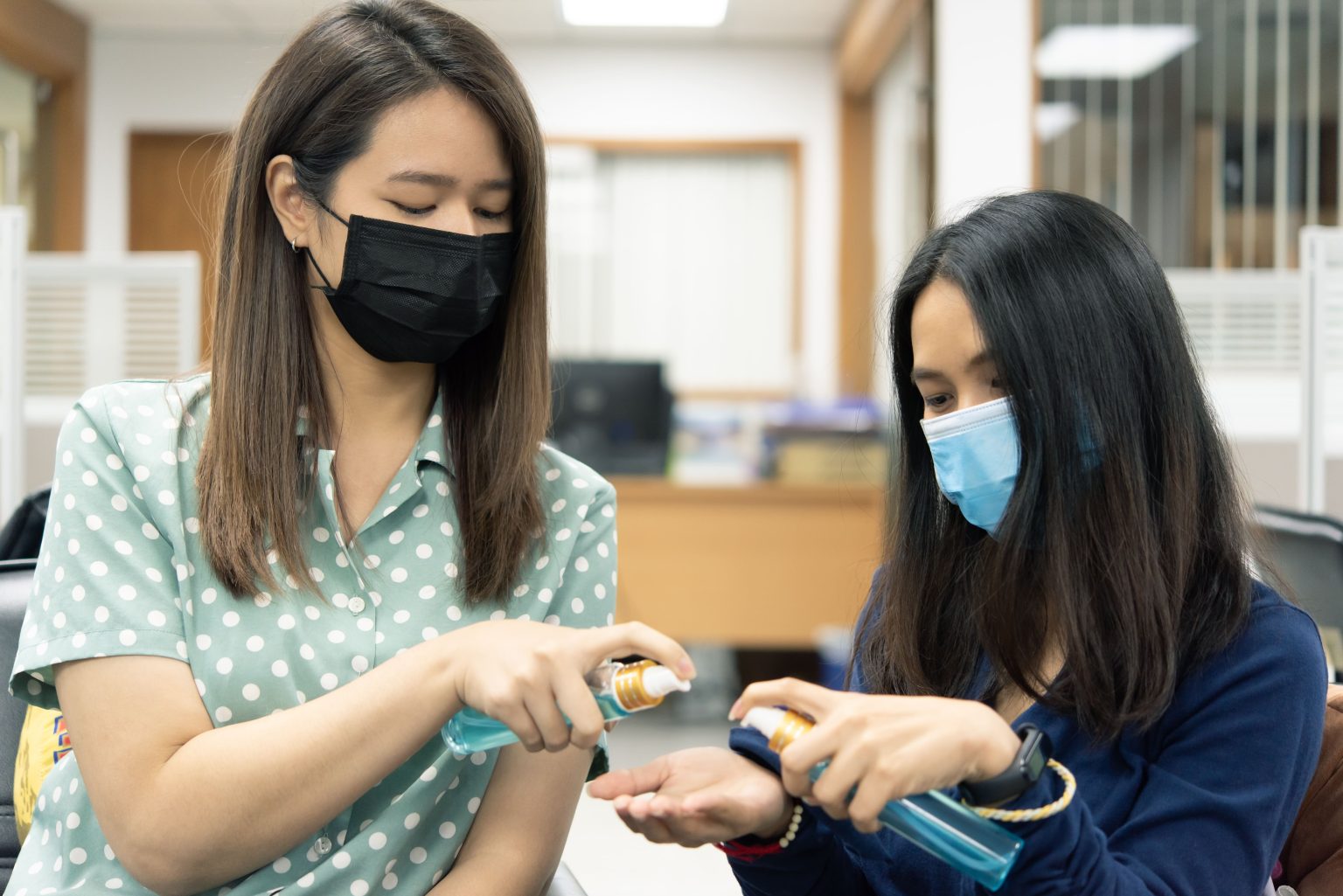
Without proper care, a student with type 1 diabetes faces both short term and long-term health risks. Awareness of these complications helps ensure quick response and preventive action.
1. Hypoglycemia (Low Blood Sugar)
Occurs when blood sugar falls below 70 mg/dL. Symptoms include sweating, trembling, confusion, and irritability. If untreated, it can lead to seizures or unconsciousness.
2. Hyperglycemia (High Blood Sugar)
Happens when blood sugar rises too high due to missed insulin doses or overeating. Signs include thirst, frequent urination, and blurred vision. Chronic hyperglycemia can damage organs over time.
3. Diabetic Ketoacidosis (DKA)
A life threatening emergency where the body breaks down fat too quickly, producing ketones. DKA requires immediate medical attention.
4. Academic Setbacks
Frequent absences for medical appointments or hospitalizations can disrupt learning continuity.
5. Emotional and Behavioral Effects
Stress or depression is more common among young people managing chronic illnesses, potentially affecting social relationships and motivation.
Identifying and addressing these risks early helps prevent emergencies and supports the student’s overall well being.
Effective Management Strategies for Students with Type 1 Diabetes

To ensure a student with type 1 diabetes remains healthy and safe at school, a well structured plan involving all stakeholders is essential.
1. Create a Personalized Diabetes Care Plan (DCP)
A DCP outlines daily care routines, emergency procedures, insulin schedules, and contact information. It should be developed by parents, healthcare providers, and the school nurse.
2. Educate Teachers and Staff
All teachers, coaches, and cafeteria workers should understand basic diabetes management, including recognizing symptoms and knowing how to respond to an emergency.
3. Allow Flexibility for Meals and Snacks
Schools should permit the student to eat or check blood sugar whenever necessary even during lessons to avoid dangerous glucose fluctuations.
4. Provide a Safe Testing and Medication Space
Students should have access to a private, hygienic area for glucose monitoring and insulin administration, ensuring dignity and comfort.
5. Encourage Open Communication
Students must feel comfortable informing teachers when they don’t feel well. Supportive communication builds confidence and trust.
6. Involve Peers in Awareness Campaigns
Peer education helps reduce stigma and fosters understanding among classmates. This encourages inclusion rather than isolation.
7. Regular Monitoring and Record Keeping
Teachers and nurses can assist by tracking blood sugar patterns and reporting any concerning changes to parents or doctors.
Lifestyle and Support Tips for Students

Supporting a student with type 1 diabetes also means helping them maintain balance between academics, health, and emotional well being.
- Balanced Diet: Meals should include carbohydrates, proteins, and healthy fats to maintain stable glucose levels.
- Exercise Management: Encourage physical activity but ensure blood sugar is checked before and after workouts.
- Mental Health Support: Counseling or support groups can help students cope with anxiety or burnout.
- Technology Use: Devices like continuous glucose monitors (CGMs) or insulin pumps simplify management and improve accuracy.
- Parental Involvement: Regular communication between parents and teachers ensures consistency in care both at home and school.
These habits empower students to take ownership of their condition without compromising their academic growth.
Long-Term Benefits of Proper Diabetes Management

When a student with type 1 diabetes receives consistent care, the benefits are far reaching:
- Better academic performance due to improved concentration and fewer absences
- Reduced hospital visits and health emergencies
- Increased self confidence in managing health independently
- Enhanced emotional well being through supportive environments
- Prevention of long term complications like neuropathy, retinopathy, or heart disease
Proper support turns diabetes management from a challenge into an opportunity for resilience and self discipline.
Conclusion
A student with type 1 diabetes can lead a normal, successful school life with the right care, understanding, and medical support. While the condition presents risks such as hypoglycemia and emotional stress, these can be managed through structured plans, education, and collaboration between families and schools.
Ultimately, awareness and empathy make all the difference. By fostering a supportive environment, educators and peers can help every student with diabetes feel included, confident, and capable of achieving both academic and personal success.
