
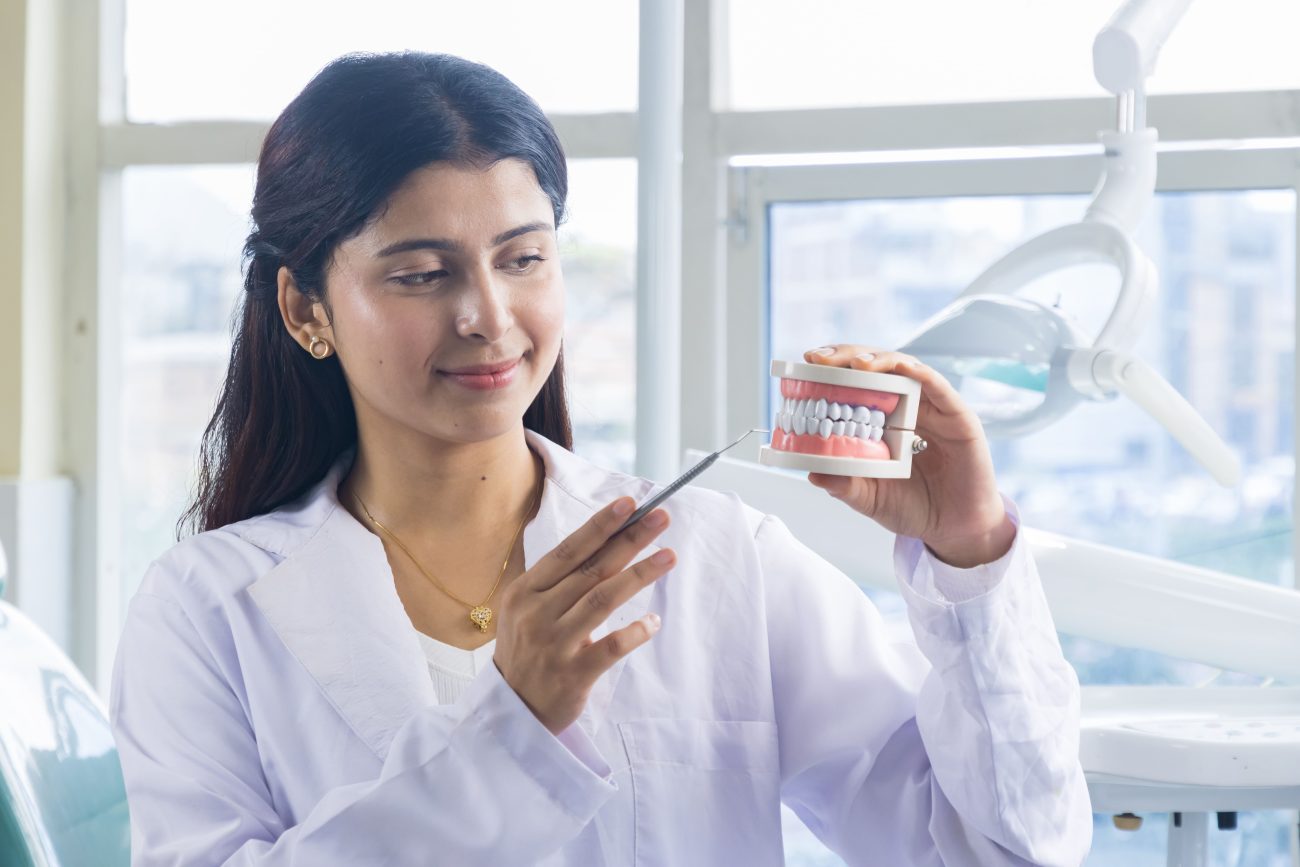
Maintaining healthy dental implants goes beyond the surgery itself it requires consistent care, proper hygiene, and lifestyle adjustments. Dental implants are one of the most durable and natural-looking solutions for missing teeth, but their longevity depends heavily on how well you look after them.
Understanding how to clean, protect, and maintain healthy dental implants ensures not only a beautiful smile but also prevents complications like infections or gum recession. This guide explores effective maintenance tips, benefits, and potential risks every implant patient should know.
What Are Dental Implants and Why Health Maintenance Matters
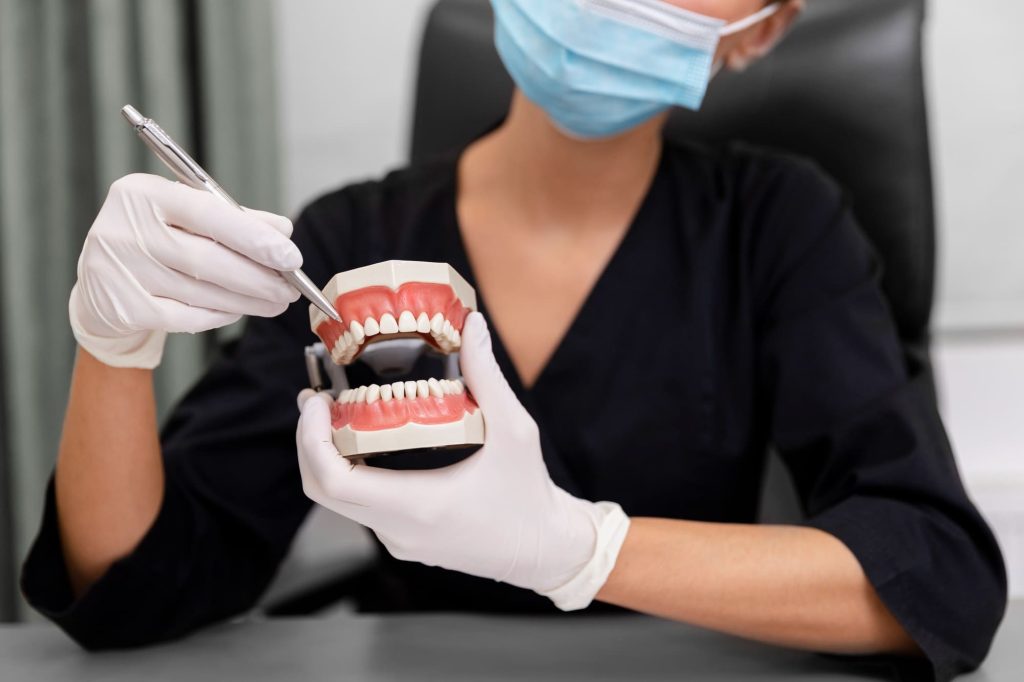
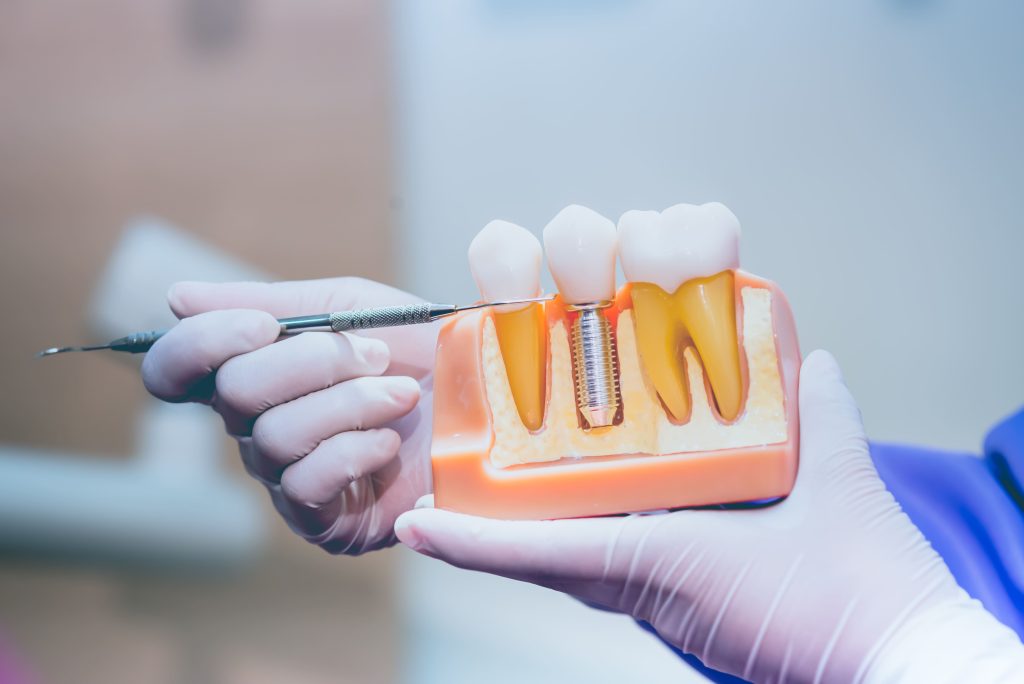
Before diving into the care process, it’s important to understand what makes dental implants unique. A dental implant is a titanium post surgically placed into the jawbone, serving as an artificial tooth root. Over time, it fuses with the bone through a process called osseointegration, providing a stable foundation for crowns or bridges.
When maintained properly, healthy dental implants can last 20 years or more sometimes even a lifetime. However, neglecting oral hygiene can lead to conditions such as peri-implantitis (a form of gum disease around the implant), which may cause inflammation, bone loss, or even implant failure.
Good oral habits aren’t just about keeping the implant intact they help preserve your overall oral and systemic health.
Essential Tips to Maintain Healthy Dental Implants
Keeping your dental implants healthy requires consistency and attention to daily hygiene. Here are essential practices that every implant patient should follow:
1. Brush Twice Daily with the Right Technique
Clean around your implants using a soft bristled toothbrush and gentle, non-abrasive toothpaste. Electric toothbrushes can be particularly effective for removing plaque and bacteria buildup. Focus on brushing along the gum line where bacteria tend to accumulate.
2. Floss or Use Interdental Brushes
Flossing remains a critical step for maintaining healthy dental implants. Choose floss specifically designed for implants, or use interdental brushes to clean the spaces between your teeth and implants without damaging the gum tissue.
3. Rinse with Antimicrobial Mouthwash
An alcohol-free mouthwash helps reduce bacterial growth and supports gum health. Regular rinsing ensures areas that are difficult to brush remain clean and free from infection.
4. Schedule Regular Dental Checkups
Visit your dentist every 3–6 months for professional cleaning and implant evaluation. Dentists use special tools that clean around implants without scratching the titanium surface.
5. Avoid Smoking and Excessive Alcohol
Smoking significantly increases the risk of implant failure by restricting blood flow to the gums. Alcohol can also dry the mouth, promoting bacterial growth. Reducing or quitting these habits greatly supports healthy dental implants.
6. Be Mindful of Your Diet
Limit sticky, hard, or sugary foods that may damage the crown or increase bacterial buildup. Instead, opt for nutrient-rich meals containing calcium, vitamin C, and protein, all of which promote bone and gum health.
7. Use a Night Guard if You Grind Your Teeth
Bruxism (teeth grinding) puts pressure on implants and can cause them to loosen over time. A custom-made night guard protects against unnecessary strain.
Benefits of Maintaining Healthy Dental Implants
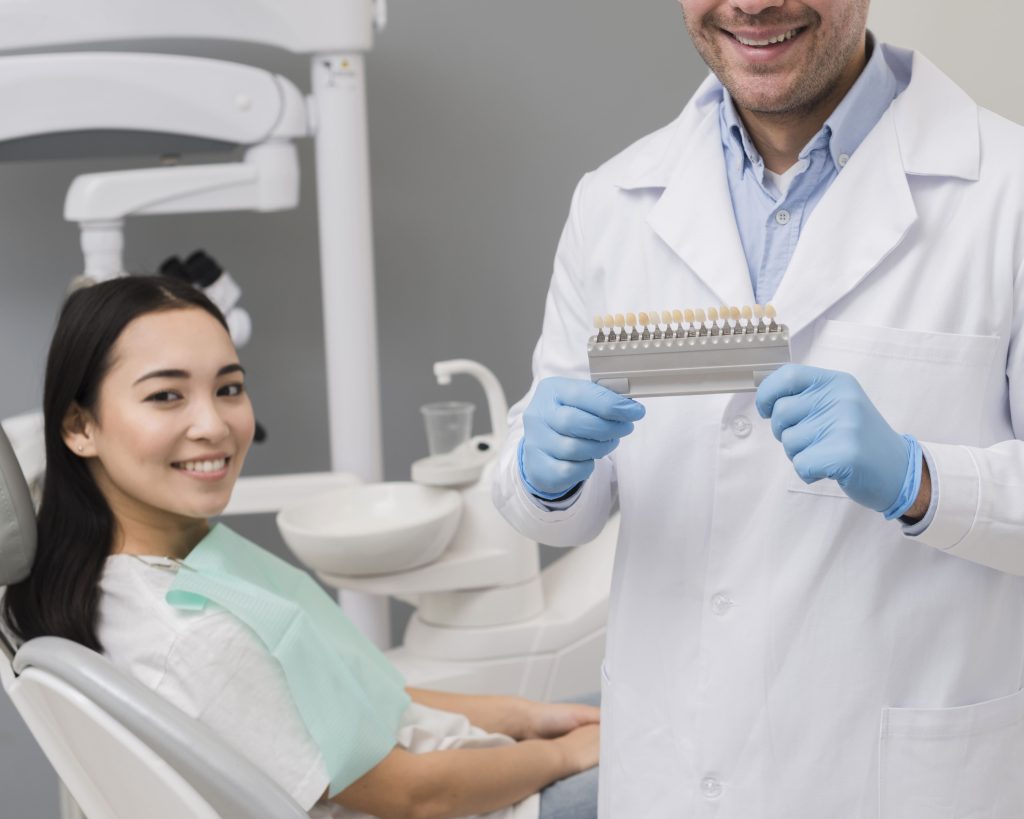
Proper care results in long-term health benefits that go far beyond aesthetics. Here are the primary advantages of keeping your dental implants healthy:
1. Long-Term Durability
Unlike dentures, implants can last a lifetime when well maintained. Clean implants help prevent bone resorption and preserve the jaw structure.
2. Improved Oral Function
Healthy implants allow you to eat, speak, and smile comfortably. They restore chewing efficiency comparable to natural teeth.
3. Prevents Gum Disease and Inflammation
Good hygiene prevents plaque buildup that can lead to peri-implant mucositis or peri implantitis, both of which can compromise implant stability.
4. Enhanced Confidence and Aesthetics
Well maintained implants blend seamlessly with your natural teeth, preserving facial shape and improving self esteem.
5. Supports Overall Health
Maintaining healthy dental implants can reduce the risk of systemic infections caused by oral bacteria, which have been linked to cardiovascular diseases and diabetes.
Potential Risks of Poor Implant Maintenance

While dental implants are durable, neglect can lead to serious complications. Knowing these risks helps reinforce the importance of consistent care.
1. Peri-Implantitis
This is the most common implant-related disease caused by plaque accumulation. It results in gum inflammation, bone loss, and may eventually cause implant failure if left untreated.
2. Bone Deterioration
Without proper hygiene, infection can spread beneath the gums, weakening the jawbone and loosening the implant.
3. Gum Recession
Aggressive brushing or poor cleaning habits can cause gum tissue to recede, exposing the implant and affecting aesthetics.
4. Implant Loosening or Fracture
Mechanical stress, bruxism, or inadequate bone support can cause the implant to loosen or even fracture.
5. Bad Breath and Taste Disorders
Bacteria around neglected implants can lead to halitosis and an unpleasant metallic taste.
Addressing these issues early ensures that your healthy dental implants remain stable and functional for decades.
Professional Care and Long-Term Maintenance
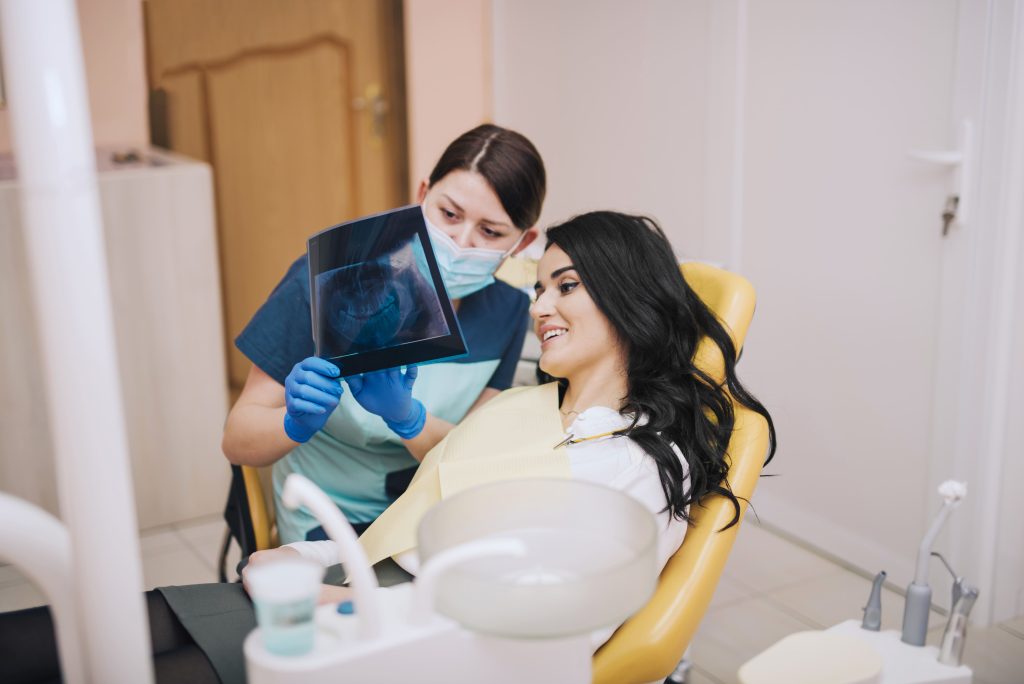
Your dentist plays a vital role in keeping your dental implants healthy. During checkups, they:
- Examine the gum tissue and bone integration.
- Measure pocket depths to detect early inflammation.
- Conduct X-rays to ensure proper bone support.
- Provide professional cleaning to remove stubborn plaque and calculus.
Routine visits not only maintain implant health but also help detect potential issues before they become severe.
Lifestyle Habits That Support Healthy Dental Implants

Beyond brushing and flossing, lifestyle habits greatly influence implant success.
- Stay Hydrated: Saliva helps neutralize acids and wash away bacteria.
- Eat Balanced Meals: Foods rich in omega 3 fatty acids, antioxidants, and fiber support gum healing.
- Manage Stress: Chronic stress may weaken immunity and delay oral healing.
- Sleep Well: Adequate rest promotes tissue recovery and bone strength.
Consistency in these habits promotes not just healthy dental implants, but overall wellness.
When to Seek Dental Assistance
Immediate dental consultation is necessary if you notice:
- Bleeding or swollen gums around the implant
- Pain, mobility, or clicking sensations
- Bad breath that persists after cleaning
- Pus discharge or visible gum recession
Early intervention ensures minimal damage and faster recovery.
Conclusion
Maintaining healthy dental implants is an ongoing commitment that combines proper hygiene, smart lifestyle choices, and regular professional care. The key is prevention addressing small issues before they evolve into complications.
The benefits of healthy implants longevity, comfort, and confidence far outweigh the time invested in daily care. With diligence and guidance from your dentist, your implants can remain strong, functional, and aesthetically perfect for a lifetime.
Remember, implants are not just replacements for missing teeth they are an investment in your long-term health and quality of life.
