
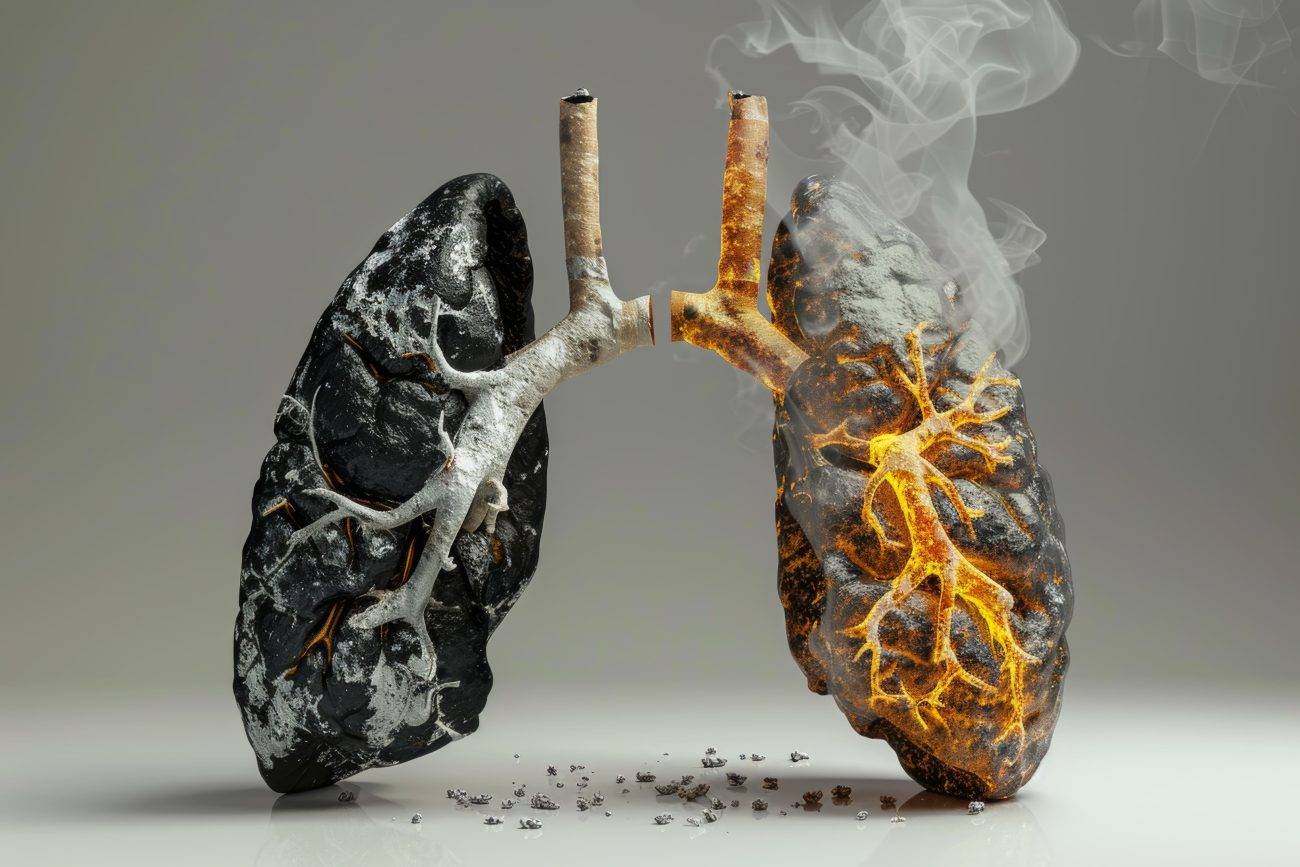
The comparison between a healthy lung vs smoker lung reveals a powerful truth about how lifestyle choices directly impact the human body. Lungs are vital organs responsible for supplying oxygen and expelling carbon dioxide functions that sustain life. However, exposure to cigarette smoke damages this delicate system, leading to irreversible consequences.
Understanding what differentiates a healthy lung vs smoker lung is essential for anyone concerned with long-term wellness, respiratory efficiency, and disease prevention.
What Defines a Healthy Lung?
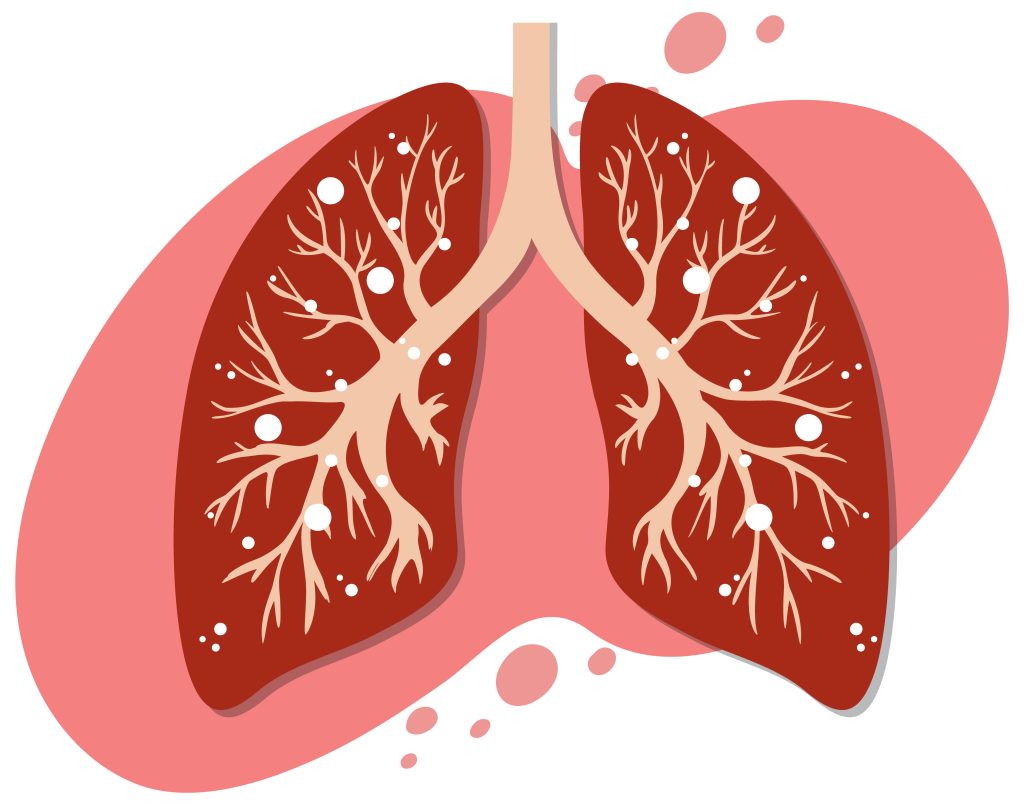
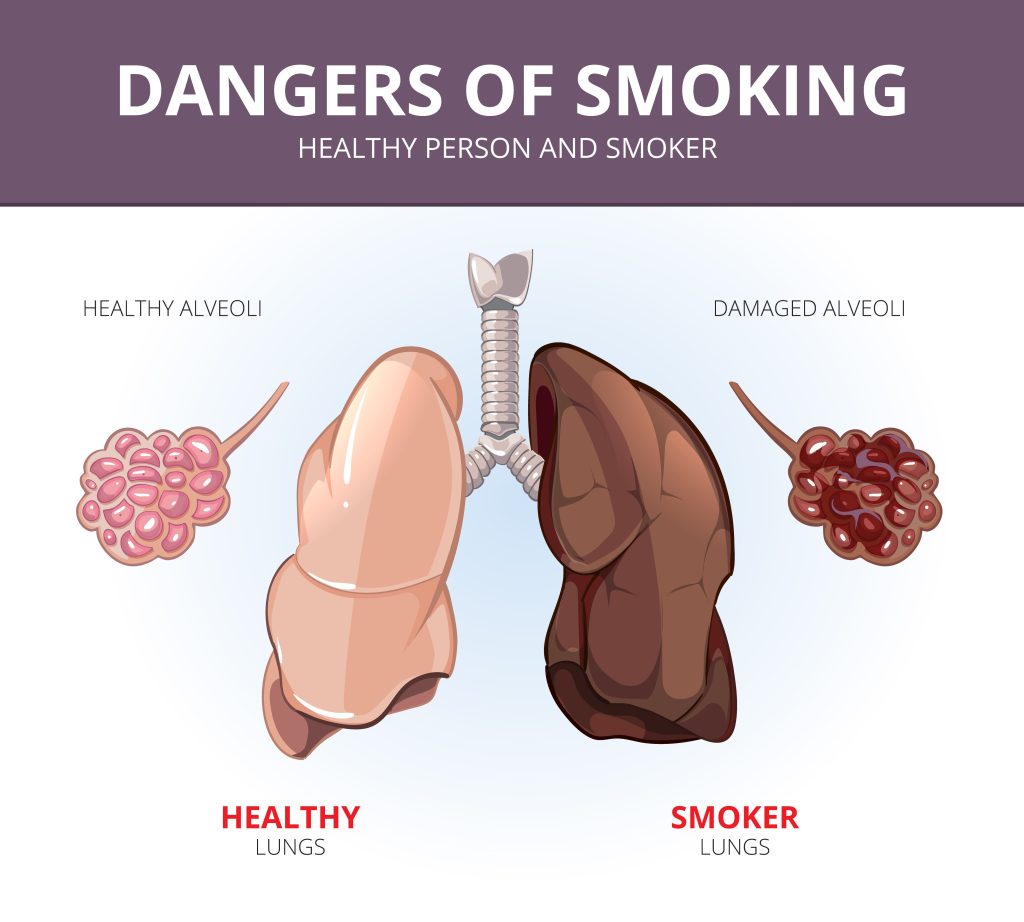
A healthy lung is a complex organ composed of millions of tiny air sacs called alveoli that facilitate gas exchange. These lungs are pink, spongy, and elastic characteristics that allow them to expand and contract effortlessly with each breath.
Key features of a healthy lung include:
- Clean airways: Free from mucus buildup or tar accumulation.
- Efficient gas exchange: Oxygen easily enters the bloodstream while carbon dioxide exits.
- Strong elasticity: Lungs return to normal size after exhalation.
- Robust immune defense: Cilia (tiny hair-like structures) trap and remove harmful particles.
When comparing a healthy lung vs smoker lung, it becomes evident that healthy lungs operate at full capacity, providing the body with optimal oxygen levels and supporting every organ system effectively.
What Happens to a Smoker’s Lung?
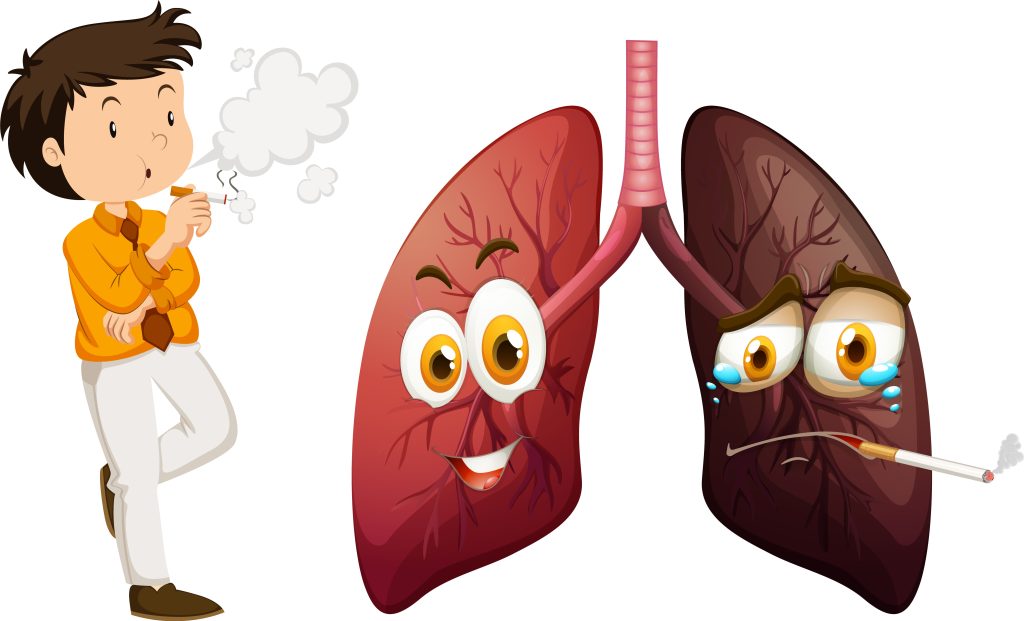
A smoker lung undergoes significant structural and functional damage due to continuous exposure to toxic chemicals found in tobacco smoke. Cigarettes contain over 7,000 substances, including tar, carbon monoxide, formaldehyde, and arsenic. Over time, these toxins cause inflammation, tissue destruction, and scarring.
Visual differences between a healthy lung vs smoker lung are striking:
- Healthy lungs are pinkish and soft.
- Smoker lungs appear blackened, scarred, and rigid due to tar deposits.
- The cilia that clean the airways are destroyed, leaving the lungs vulnerable to infections.
- Air sacs lose elasticity, reducing lung capacity and oxygen absorption.
This physical degradation reflects the internal damage smokers experience a slow but severe decline in respiratory efficiency.
Structural Comparison : Heathly Lung vs Smoker Lung
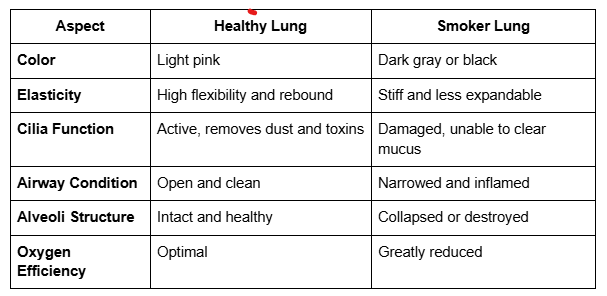
This direct comparison highlights the destructive effects of smoking where a healthy lung vs smoker lung transition can occur gradually but irreversibly after years of exposure.
The Science Behind Lung Damage from Smoking
When smoke enters the respiratory system, it introduces harmful chemicals that attack the lung’s delicate tissues. Tar sticks to the bronchial walls, creating a breeding ground for bacteria. Meanwhile, carbon monoxide reduces oxygen transport by binding to hemoglobin more effectively than oxygen.
Nicotine further restricts blood flow, preventing the lungs from repairing themselves. Over time, this cycle leads to chronic inflammation and cell death. The result is a smoker lung an organ struggling to perform even basic breathing functions.
Researchers have found that long-term smokers lose lung capacity at nearly twice the rate of non-smokers, demonstrating the significant gap between a healthy lung vs smoker lung in terms of functional ability.
Health Benefits of Having Healthy Lungs
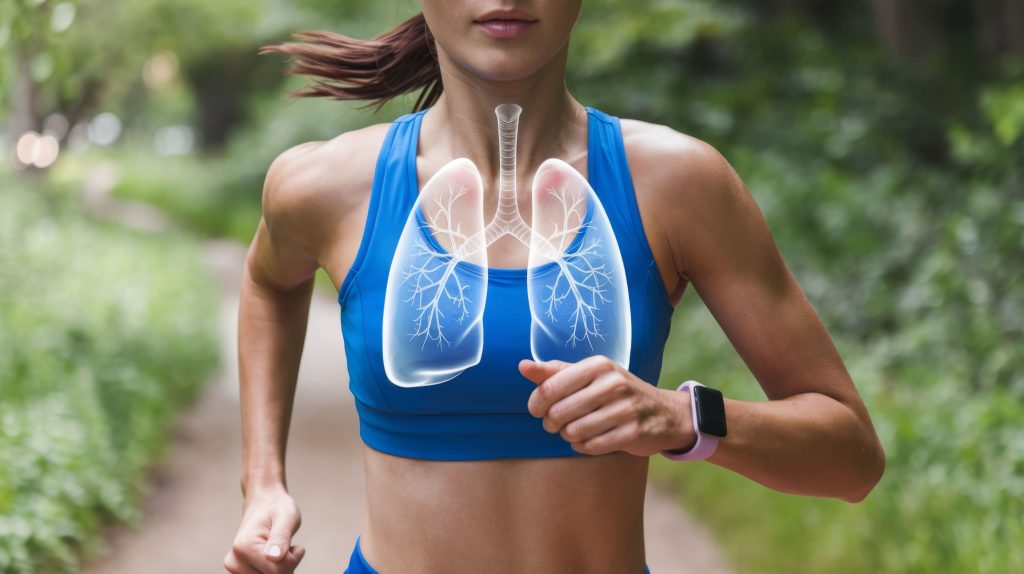
A healthy lung is vital for overall physical and mental health. The benefits go beyond simple respiration they affect energy, immunity, and cognitive performance.
Here are the primary benefits of maintaining lung health:
- Optimal oxygen levels: Every cell receives adequate oxygen for energy production.
- Improved stamina: Efficient lungs support better endurance and athletic performance.
- Stronger immune system: Healthy lungs filter bacteria and pollutants effectively.
- Mental clarity: Sufficient oxygen improves concentration and reduces fatigue.
- Longer lifespan: Healthy lungs lower the risk of chronic diseases like COPD and lung cancer.
Maintaining strong, efficient lungs can dramatically improve life expectancy and quality of life. This benefit starkly contrasts the struggles faced by individuals with a smoker lung.
The Health Risks of a Smoker’s Lung
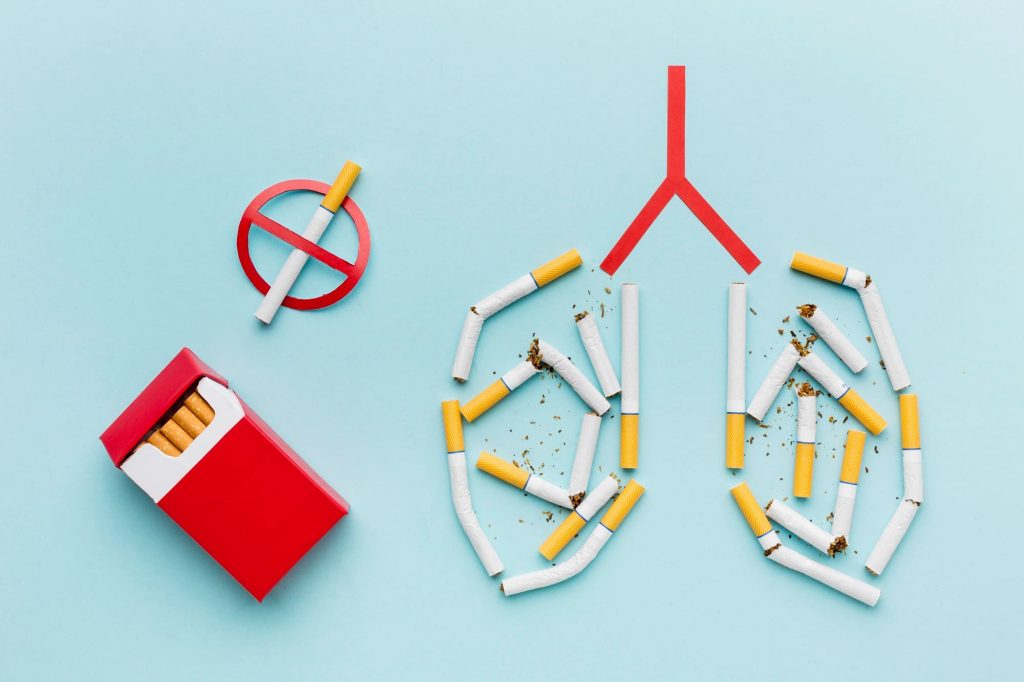
The difference between a healthy lung vs smoker lung becomes most evident through health outcomes. Smoking is one of the leading causes of preventable deaths globally due to the diseases it triggers.
Major risks associated with a smoker lung include:
- Chronic Obstructive Pulmonary Disease (COPD): Long-term obstruction of airflow causing breathing difficulty.
- Lung cancer: Smoke exposure damages DNA in lung cells, leading to uncontrolled growth.
- Emphysema: Alveoli destruction causes oxygen deficiency and breathlessness.
- Chronic bronchitis: Persistent mucus production and coughing.
- Weakened immunity: Greater vulnerability to respiratory infections such as pneumonia.
- Reduced stamina: Even minor physical activity can leave smokers short of breath.
The lungs’ ability to regenerate is limited; once damage occurs, full recovery becomes unlikely underscoring the crucial importance of prevention.
How to Keep Your Lungs Healthy

If you want to maintain the benefits seen in a healthy lung vs smoker lung comparison, adopting lung-friendly habits is key.
Practical ways to protect your lungs:
- Quit smoking immediately: Even after years of smoking, lung function can partially improve once exposure stops.
- Avoid secondhand smoke: Passive smoking can cause similar harm as direct smoking.
- Exercise regularly: Activities like brisk walking, swimming, or cycling enhance lung capacity.
- Stay hydrated: Drinking enough water helps thin mucus and keeps airways clear.
- Improve indoor air quality: Use air purifiers and ensure proper ventilation.
- Practice deep breathing: Helps strengthen respiratory muscles and oxygen exchange.
- Get regular check-ups: Early detection of lung issues leads to better outcomes.
These steps reinforce the vitality of your lungs, bridging the gap between a healthy lung vs smoker lung and helping prevent irreversible harm.
Can a Smoker’s Lung Recover
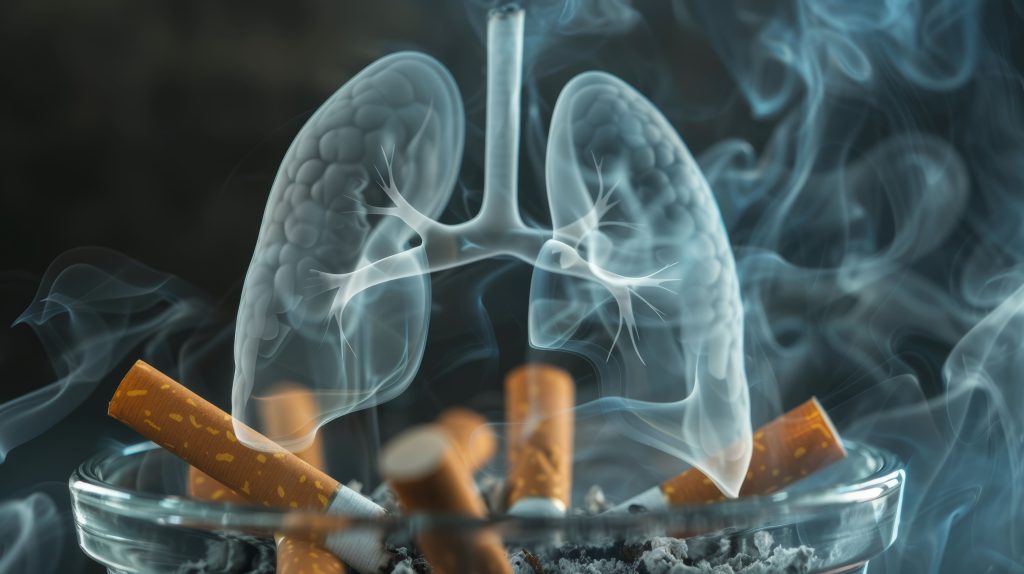
While some damage from smoking is permanent, quitting can initiate remarkable improvements in lung function and circulation. Within weeks, cilia begin to regenerate, making it easier to clear mucus and pollutants. Over time, inflammation subsides, and breathing becomes easier.
However, complete recovery to the state of a healthy lung may not always be possible, especially after prolonged exposure. Still, cessation significantly reduces the risk of further disease and enhances life expectancy.
Every smoke-free day is a step toward healing and the earlier one quits, the greater the chance of lung restoration.
Public Health Perspective : The Cost of Smoking on Society
The contrast between a healthy lung vs smoker lung extends beyond individual health it affects public systems and economies. Governments spend billions annually on treating smoking-related diseases. Lost productivity, absenteeism, and healthcare costs place heavy burdens on societies worldwide.
Anti-smoking campaigns, taxation policies, and educational initiatives continue to emphasize prevention over cure. Promoting awareness of what a healthy lung vs smoker lung truly looks like has become one of the most effective deterrents for potential smokers.
Conclusion
The difference between a healthy lung vs smoker lung is more than visual it’s a reflection of lifestyle, choices, and long-term health outcomes. Healthy lungs provide energy, vitality, and resilience, while smoker lungs represent preventable damage that limits life’s potential.
Prioritizing lung health is one of the most impactful decisions anyone can make. Quitting smoking, maintaining physical fitness, and avoiding pollutants will help preserve lung function and protect your overall well-being.
A healthy lung means a healthier, longer life one breath at a time.
