

Can laser hair removal cause cancer is a question that often appears when people start exploring long term hair reduction procedures, especially because the word “laser” is commonly associated with radiation, heat, and potential cell damage. These concerns are understandable, yet modern medical evidence paints a different picture. Understanding how laser hair removal works, what type of energy is used, what scientific studies show, and how proper aftercare reduces risks helps patients make informed and confident decisions.
How Laser Hair Removal Works on the Skin and Why Cancer Concerns Arise
Laser hair removal uses a concentrated beam of light that targets melanin inside the hair follicle. The follicle absorbs this energy, which then turns into heat and disables the follicle’s capacity to regrow hair. This process focuses specifically on pigment, not the surrounding tissue. Devices used in clinics operate on non-ionizing wavelengths, meaning they do not possess enough energy to alter DNA. This is critical because DNA alteration is the mechanism behind radiation-related cancers.
Some individuals worry about whether can laser hair removal cause cancer because of the heat produced during treatment. The heat, however, is carefully controlled and does not penetrate deep enough to reach internal organs, glands, or reproductive structures. Most laser beams used for cosmetic procedures reach only a few millimeters beneath the skin. Their purpose is confined to the follicle itself, making the treatment surface level and biologically incapable of triggering the cellular mutations typically associated with cancer development.
Scientific Evidence on Safety: What Research Says About Cancer Risk

Non-Ionizing Radiation Cannot Mutate DNA
Non ionizing light used in laser hair removal functions similarly to visible light. It does not break chemical bonds or interfere with DNA sequences. Because of this, the pathway required for cancer formation does not exist biologically in this treatment method.Clinical Studies Show No Increase in Cancer Cases
Long term research reviewing thousands of patients has shown no statistical correlation between the procedure and leukemia, breast cancer, melanoma, thyroid cancer, or reproductive cancers. Studies covering individuals who undergo regular sessions for many years also report no elevated cancer incidence.Dermatology and Medical Boards Consider It Safe
Major dermatology associations worldwide repeatedly state that no evidence supports claims that can laser hair removal cause cancer. Their guidelines emphasize proper equipment, certified providers, and adherence to protocols as the key components of safe treatment.Penetration Depth Remains Too Shallow to Affect Organs
Hair removal lasers do not reach deeper tissues where cancers typically form. The wavelengths used are absorbed at the skin surface, ensuring that only the follicle is affected.Cooling and Regulation Systems Prevent Overheating
Modern devices include cooling mechanisms that regulate heat distribution. This prevents burns, maintains comfort, and limits unnecessary tissue exposure, reinforcing the procedure’s safety profile.
Understanding Real Side Effects That Patients Might Experience
Temporary Redness or Swelling
Mild inflammation often occurs due to heat exposure. These effects are short lived and resolve without medical intervention, unrelated to concerns about can laser hair removal cause cancer.Minor Burns With Incorrect Settings
Untrained technicians may misuse laser settings, causing superficial burns. This risk emphasizes choosing certified practitioners rather than worrying about cancer development.Pigment Changes for Certain Skin Types
Hyperpigmentation and hypopigmentation occasionally appear in individuals with medium to dark skin tones. These are cosmetic changes, not indicators of cancer.Folliculitis or Mild Follicle Inflammation
Heat can temporarily inflame hair follicles. Folliculitis is treatable with cooling creams, antiseptics, or gentle skincare routines.Eye Sensitivity Without Proper Protection
Protective goggles are mandatory because lasers can irritate or harm the eyes. Reputable clinics require full eye protection during every session.
Why Cancer Myths Form: Common Misunderstandings Explained
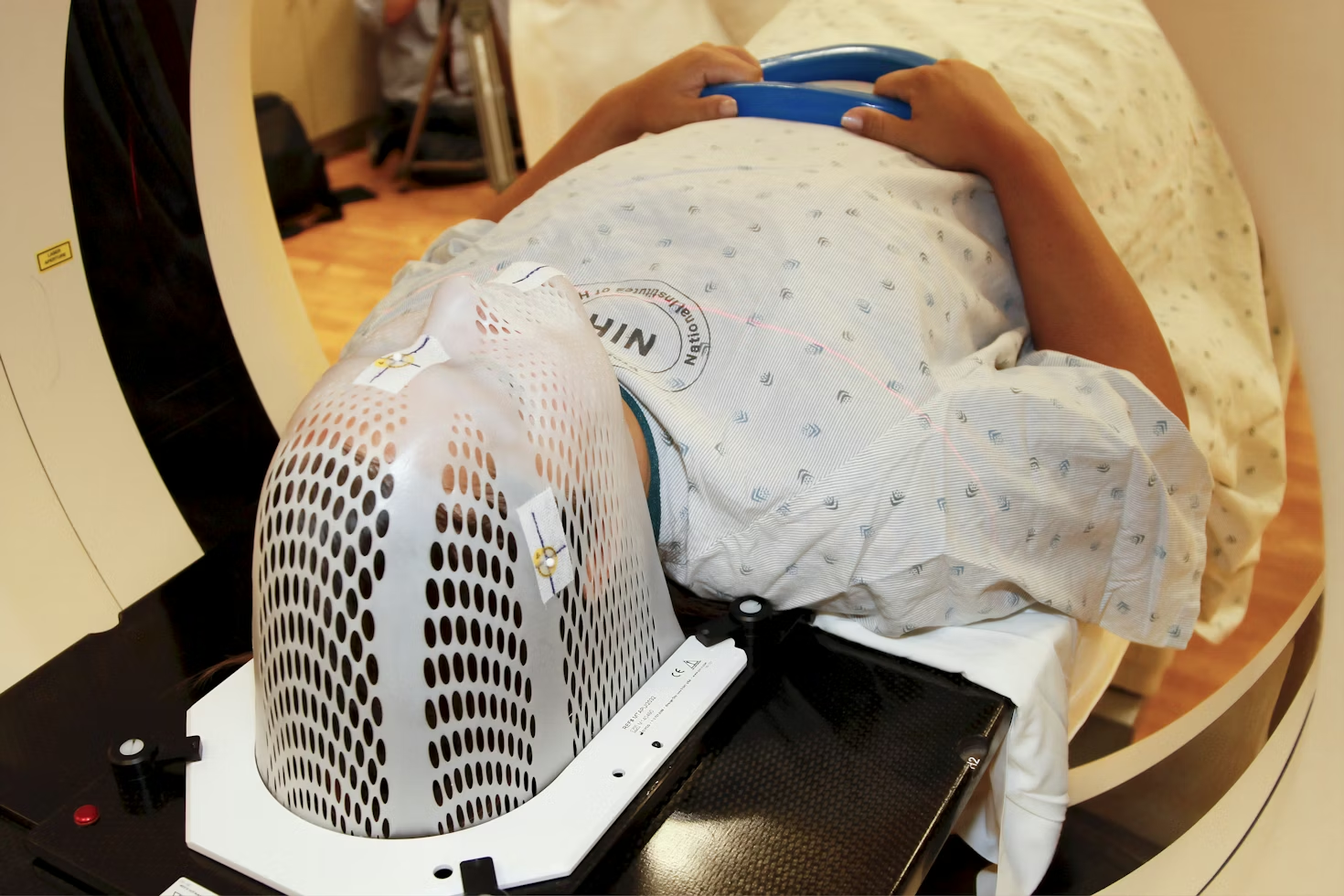
Confusion Between Medical and Cosmetic Lasers
Medical lasers used in hospitals differ significantly from cosmetic lasers. Some medical devices use ionizing radiation, which is not the case for hair removal tools.Fear of the Word “Radiation”
Many individuals assume all radiation is harmful. In reality, radiation covers a wide spectrum. Hair removal lasers operate on the safe, non-ionizing end of this spectrum.Heat Sensation Creates Psychological Concern
The warmth felt during treatment can cause people to imagine deeper tissue damage. This warmth, however, is superficial and controlled.Online Misinformation Without Scientific Basis
Blogs and social media posts sometimes spread unverified claims. These claims rarely reference peer reviewed studies or dermatological data.Association With Skin Darkening or Redness
Short term redness may resemble early signs of skin distress. Yet these responses are normal and temporary, not cancer related.
Practical Ways to Address Skin Reactions Safely

Apply Cold Compresses After Treatment
Cooling the skin reduces warmth, redness, and irritation. A soft cloth with cold water or gel packs helps soothe the treated area.Use Gentle Moisturizers to Support Recovery
Non-irritating creams hydrate the skin and help it recover from thermal exposure. Fragrance free formulas are recommended.Avoid Sun Exposure for 48 to 72 Hours
Skin becomes more sensitive after treatment. Staying indoors or using high SPF sunscreen prevents darkening or irritation.Wear Loose Clothing to Prevent Friction
Tight garments can rub the treated skin. Loose fabrics reduce irritation and discomfort after sessions.Consult Professionals for Persistent Symptoms
If irritation lasts longer than expected, a dermatologist can recommend topical treatments or adjust your future laser settings.
Tips to Maintain Long Term Skin Safety
Maintaining skin hydration, avoiding harsh exfoliants, and ensuring proper sun protection keep the skin healthy between sessions. Individuals often notice smoother results and fewer reactions when aftercare is consistent. These simple steps also help maintain confidence for those wondering whether can laser hair removal cause cancer.
Creating a routine that includes gentle skincare, protective clothing, and consistent monitoring of skin changes contributes to a safer treatment journey. Patients who follow these habits experience minimal irritation and enjoy long lasting effectiveness after each session.
Conclusion
Modern clinical evidence strongly supports the safety of cosmetic lasers, confirming that can laser hair removal cause cancer has no scientific basis when treatments follow medical guidelines. The risks that do exist involve irritation, pigmentation changes, or mild burns, all of which are preventable with professional oversight and proper aftercare. Laser hair removal remains one of the most effective and well studied aesthetic procedures, offering long term results without compromising cellular safety.
