
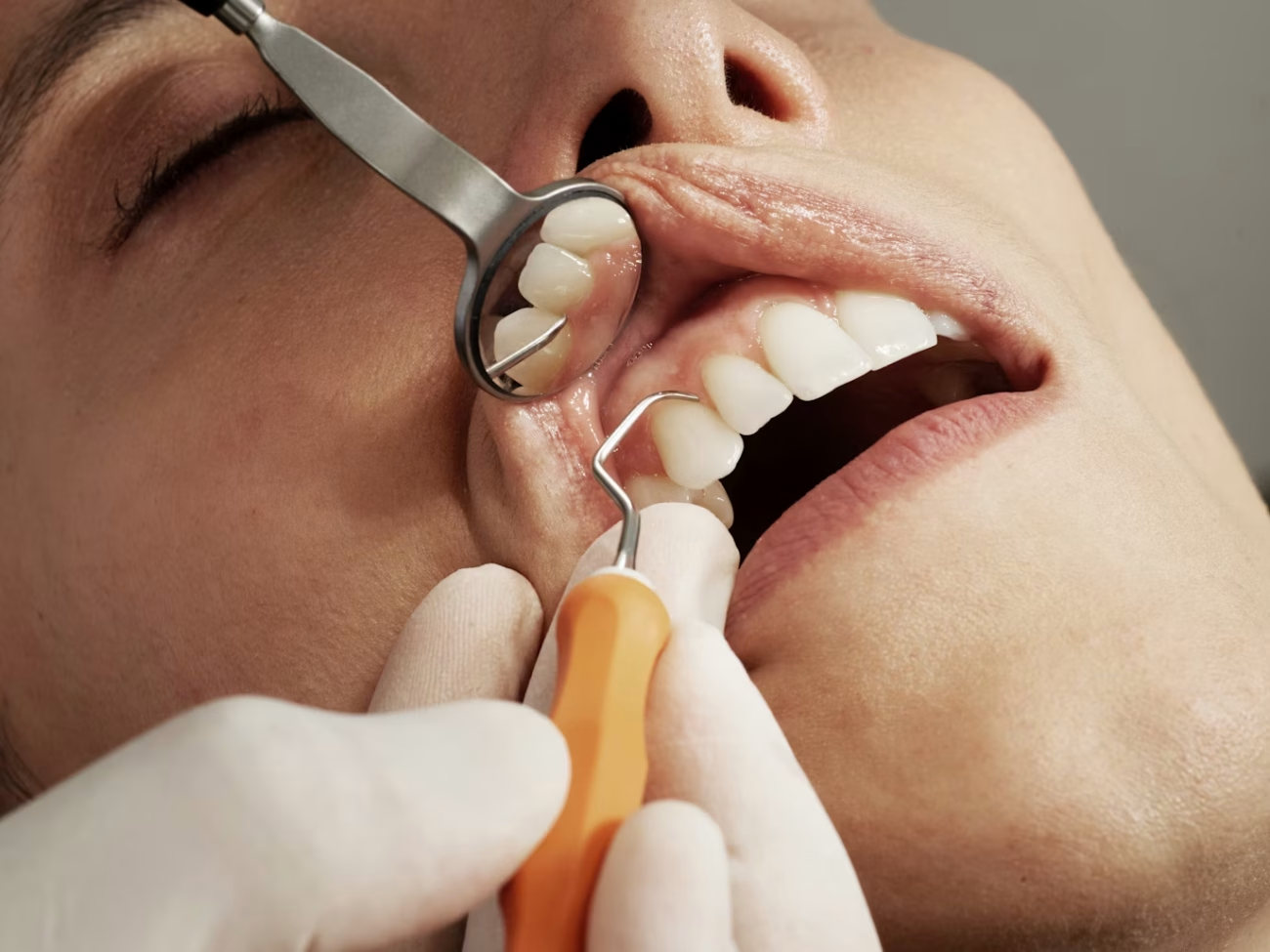
Sinus pressure causing teeth pain is a surprisingly common issue that many people fail to recognize because the discomfort often mimics real dental problems. When the sinus cavities become inflamed or filled with mucus, the pressure may radiate downward and irritate the upper jaw nerves, creating sharp or throbbing toothache sensations. Understanding why this connection happens is essential for choosing the right treatment and preventing unnecessary dental procedures.
How Sinus Pressure Causes Teeth Pain
Sinus cavities sit directly above the upper jaw, separated only by thin bone. When these spaces swell due to infection, allergy, or environmental irritation, they produce internal pressure that spreads toward nearby structures. This is the core reason many people experience sinus pressure causing teeth pain even when there is no actual tooth damage. The nerves responsible for upper jaw sensation run extremely close to the maxillary sinuses, so even slight pressure can trigger significant discomfort.
Another important factor is how inflammation restricts airflow within the sinus passages. When mucus builds up, pressure increases and affects the facial nerves that transmit signals to individual teeth. People often describe this pain as deep, dull, or aching, similar to a cavity or gum infection. Because of the overlapping nerve pathways, sinus inflammation can create misleading dental symptoms that complicate diagnosis. This is why understanding the anatomy helps explain why sinus pressure causing teeth pain is frequently misinterpreted as dental decay.
Key Signs That Indicate Your Tooth Pain Is Sinus-Related
Before pursuing dental treatments, it is useful to recognize symptoms that may point toward sinus issues rather than tooth disease. Many individuals experience the same global pattern of discomfort when sinus pressure causing teeth pain occurs.

Sinus related pain typically affects several teeth simultaneously, especially the upper back molars, because these teeth sit closest to the maxillary sinus floor. The discomfort may intensify when leaning forward, bending the head, or lying down. These patterns suggest sinus involvement rather than a single isolated tooth problem.
1. Multiple Upper Teeth Hurt at the Same Time
Sinus pressure often affects several teeth rather than just one. This widespread discomfort is a key indicator.
2. Pain Worsens When Bending or Tilting the Head
Shifting your head changes sinus pressure levels. If the pain increases when moving, sinus inflammation is likely involved.
3. Nasal Congestion Appears Alongside the Toothache
A stuffy nose, thick mucus, or postnasal drip often occurs with sinus pressure causing teeth pain.
4. Facial Tenderness or Pressure Around the Cheeks
Pain that moves across the cheeks or around the eyes typically points toward sinus activity.
5. Cold or Allergy Symptoms Develop Before the Toothache
If the discomfort begins after a respiratory condition, sinus involvement is highly probable.
Common Causes Behind Sinus Pressure Causing Teeth Pain
There are several triggers that lead to sinus pressure causing teeth pain, and identifying the root cause helps determine the right treatment. These triggers vary from seasonal conditions to chronic sinus problems.

Respiratory infections, allergies, and environmental irritants are the main drivers of inflammation. When the sinus lining swells or becomes blocked, the pressure inside increases. This affects the maxillary nerve branches, which are connected to the upper jaw. Understanding these causes allows individuals to address the underlying issue rather than treating the tooth directly.
1. Acute or Chronic Sinusitis
Infections cause significant swelling and mucus buildup, leading to painful pressure near the jaw area.
2. Seasonal Allergies
Pollen, dust, or mold can inflame the sinuses and trigger discomfort that radiates to the teeth.
3. Nasal Polyps or Blockages
Obstructions prevent proper drainage, creating pressure inside the sinus cavities.
4. Cold or Flu Viruses
Respiratory illnesses often lead to congestion that affects the sinus tooth nerve connection.
5. Environmental Irritants
Smoke, pollution, or dry air may inflame the sinus lining and contribute to ongoing discomfort.
Combination Therapy and Its Importance
Because sinus pressure causing teeth pain often feels identical to dental discomfort, distinguishing the differences is essential. Misinterpretation can lead to expensive dental procedures that do not solve the problem.

Sinus related pain usually spreads across the upper teeth and is positional. Dental pain, however, is sharp, localized, and triggered by biting or temperature sensitivity. Recognizing these differences supports more accurate self assessment and helps guide individuals toward proper medical evaluation.
1. Sinus Pain Spreads, Dental Pain Is Localized
Tooth decay usually affects a specific tooth rather than a group.
2. Sinus Discomfort Changes With Head Position
Dental pain does not typically shift when bending or lying down.
3. Pressure on the Cheeks Feels Worse
Facial tenderness is a hallmark of sinus inflammation rather than tooth decay.
4. Dental Pain Reacts Strongly to Hot or Cold
Temperature sensitivity indicates nerve or enamel problems.
5. Sinus Pain Often Accompanies Congestion
If nasal symptoms are present, sinus pressure causing teeth pain is more likely.
Effective Medical and Home Treatments for Sinus-Related Tooth Pain

Treating sinus related tooth pain requires reducing inflammation, improving drainage, and relieving pressure inside the sinus cavities. Many individuals find relief through simple home measures or over the counter medications. When symptoms persist, medical professionals may prescribe stronger treatments.
Steam inhalation, warm compresses, and saline sprays help open blocked passages and reduce pain. Meanwhile, decongestants, antihistamines, and anti inflammatory medications support faster symptom relief, especially when sinus pressure causing teeth pain stems from allergies or acute sinusitis. Persistent or severe cases require evaluation by an ENT specialist to rule out chronic sinus infections, polyps, or structural issues.
Quick Tips to Manage Sinus Pressure Causing Teeth Pain
These short tips can help speed recovery and reduce discomfort when sinus pressure causing teeth pain disrupts daily activities. They are simple, safe, and effective when combined with medical advice.
Keeping the air humid, staying hydrated, and using warm compresses can ease facial pressure and support sinus drainage. Gentle nasal rinses also help remove irritants, while rest assists the body in healing inflammation. These small habits provide relief and prevent worsening symptoms.
Conclusion
Understanding the link between sinus pressure causing teeth pain is essential for avoiding misdiagnosis and unnecessary dental treatments. When sinus inflammation spreads to the upper jaw, it triggers nerve sensations that feel identical to real toothaches. Recognizing sinus-related symptoms, identifying triggers, and choosing the right treatment approach helps individuals manage discomfort effectively. By addressing both sinus health and dental awareness, it becomes easier to maintain long-term oral comfort and overall well-being.
